The Beauty of St. Mary’s Garden
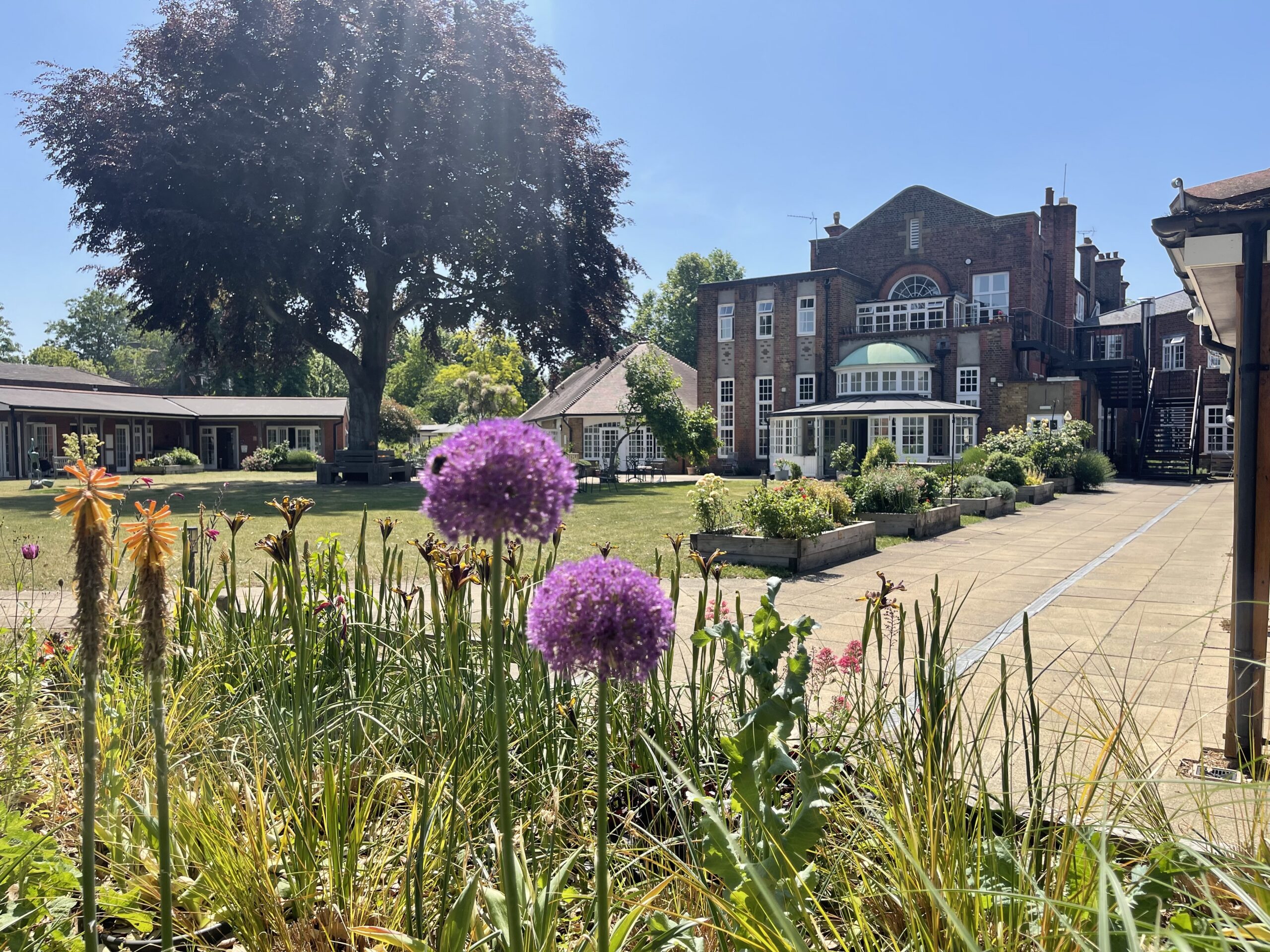
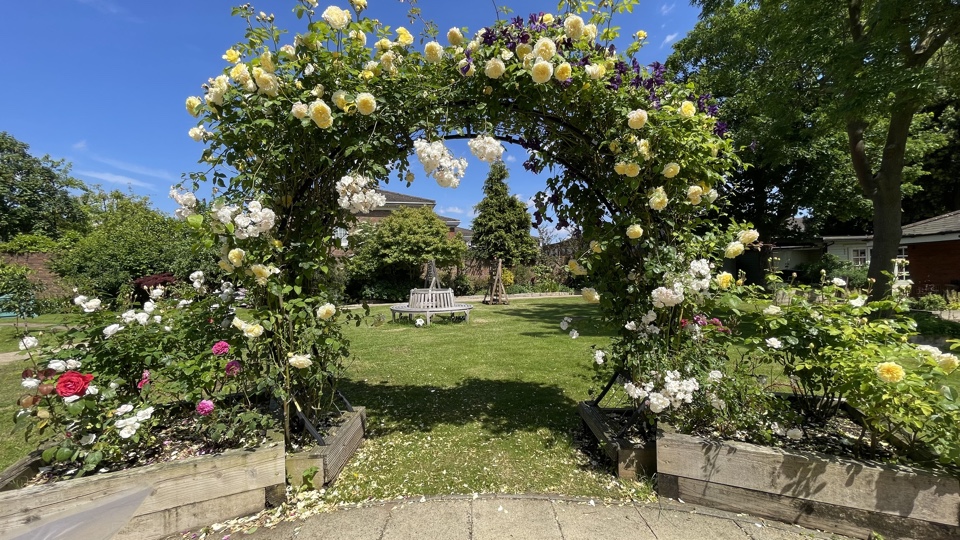
At St Mary’s Convent & Nursing Home, the gardens are a defining…
Read more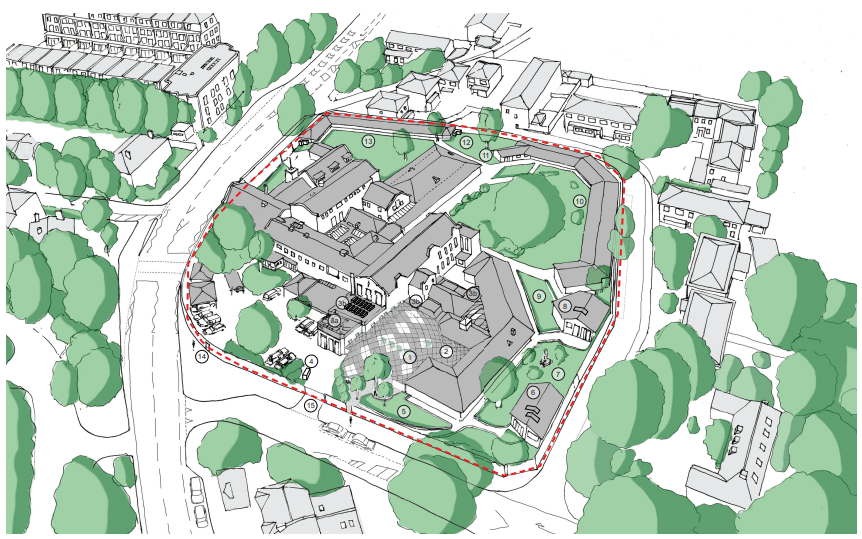
St Mary’s New Development Progress
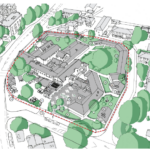
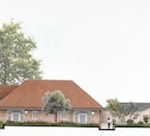
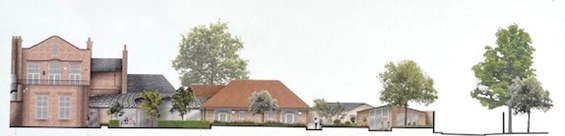
The planning and listed building consents were granted just over a year ago (Nov 2024) which gave St Mary’s the ability to push forward with this scheme. This was a watershed moment with St Mary’s now allowed to create a better integrated series of activity spaces and larger communal area at the heart of the scheme, along with up to 8 new independent residences around the perimeter of the site replacing sheds and poorly used areas and making a ‘cathedral close’ feel of 4 bungalows opposite the Chapel on the Burlington Lane side.
The next steps have been to undertake the technical design based on these consents, and this is the stage that we are involved in now.
Each of these buildings have different contexts. The covered areas interface with 9 different types of walls, 6 different types of existing roofs and at least four different types of floor conditions – some outside/ramps currently, others C19th construction and at least two phases of construction in C20th; as well as the new constructions themselves. Each of the external units have different locations and face different ways which is to a large part due to their position on different parts of the perimeter wall meaning their windows face in different directions – some south, some west, some east and in one case north. The effect of light on these then is different with north favouring an artist’s studio more with even light and the south light making more of the sun’s heat. All of which have different impacts on the layouts, energy calculations and connections for each unit. The different locations also have different ground build ups beneath them we have discovered from initial trial pits and boreholes and this in turn effects foundations as well as drainage and other below ground utility systems
In addition, the regulations have moved on since the previous constructions in order to create better standards of building and environment. In some ways the constraints are more onerous; in other ways less so as more research and a more sophisticated understanding of the nature of materials and nature itself has developed. There is also more literature to review and more checks for the team to undertake! The first wave of consultants we wrote briefs for were appointed in May and these were the engineers looking at structural, geotechnical and below ground drainage aspects and the mechanical, electrical, plumbing and energy aspects. Further surveys of the existing building fabric, their utilities and operation were also undertaken and further detail discovered. From the discovery and the consented designs, strategies for structure and energy and ventilation in particular have been developed.
The second wave of briefs we developed were for an acoustician and fire engineer, to deal with what had been found to this point with those already appointed. The team then has been iteratively working through how to minimise impact and cost and create integrated designs that use technology and knowledge to bring the calm, light spaces that was the original intent of the design. The following stages will be then to obtain competitive building contractor quotes, dealing with technical statutory authorities (Building Regulations) and discharging conditions of the planning consent.
The process takes energy and an unfailing optimism in the face of new issues emerging as we dive into the ‘nuts and bolts’, often literally. It is an effort we believe is worth it. The design is to provide an environment that helps us live longer and better. It provides the opportunity for a better sense of belonging with the varied formats of community under the covered courtyards and second bedrooms in the bungalows for stay overs. The choice for independence or more assistance as required plus beautiful light, space and sense of intimacy are also important ingredients often missed in the rush to provide beds and not work through the detail.
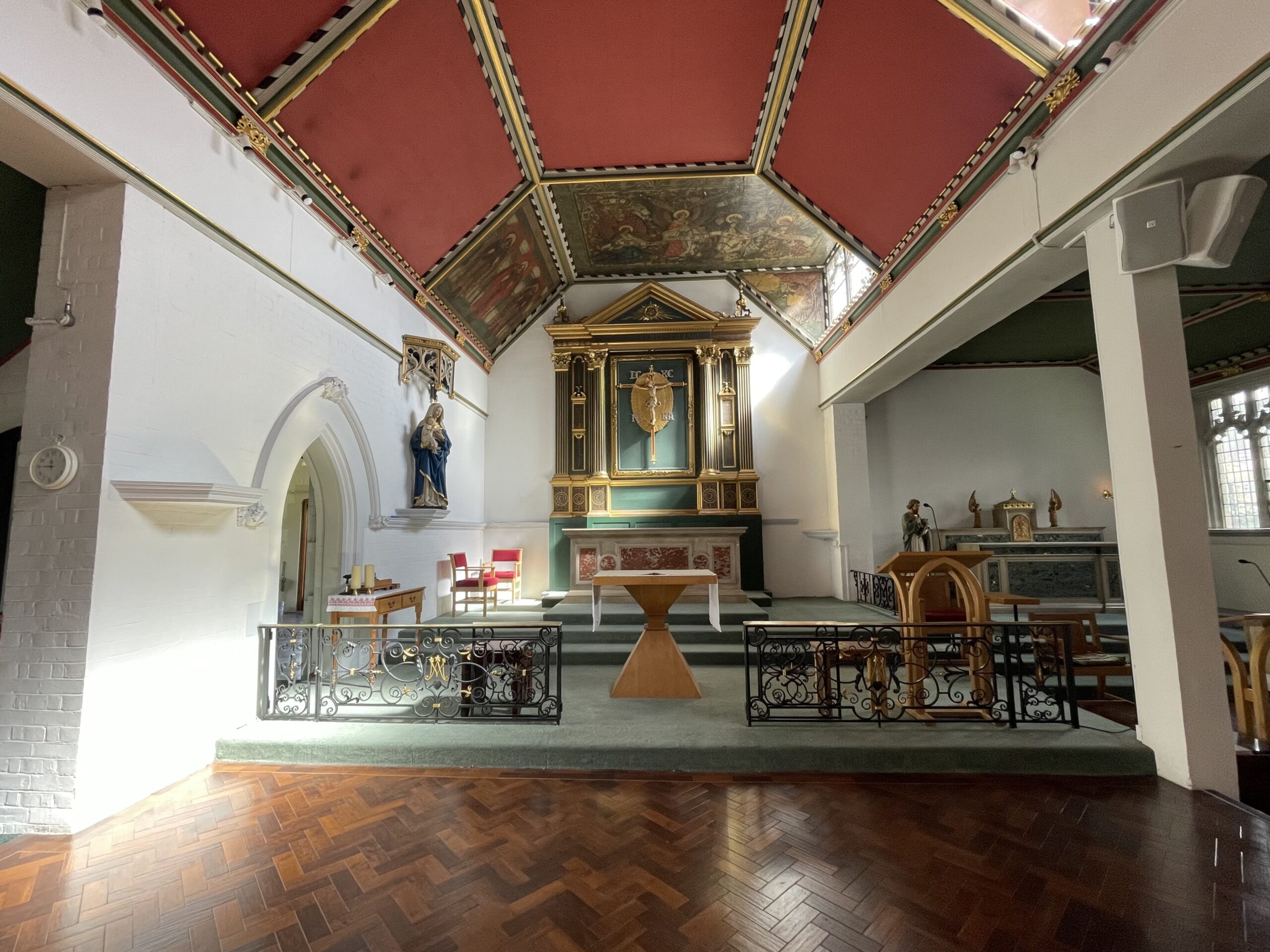
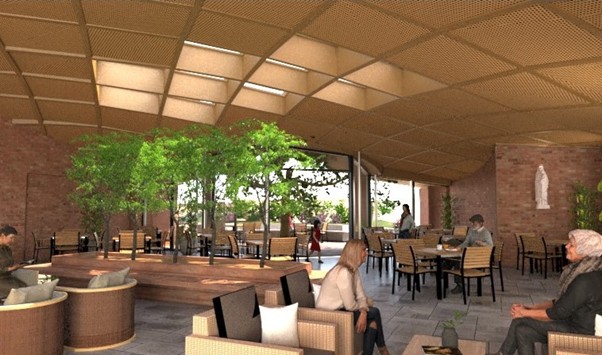
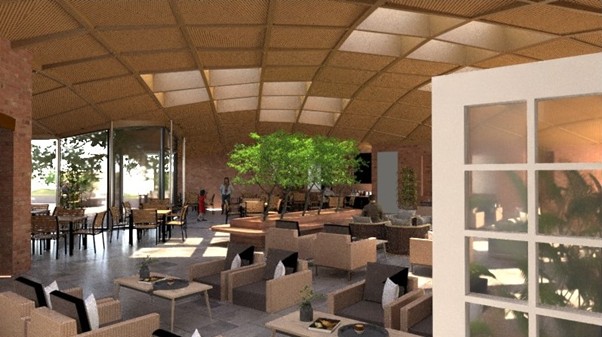
External landscape is part enclosed by the curved, communal pavilion facade to make a fluid sense of inside and outside, with trees at their shared centres, redefining the circular idea of a traditionally internalised Chapter House and its meeting function. The analogy is befitting to St Mary’s historic origins and ethos of family, and where the 19th century chapel still accommodates its daily services.
Using long roof slopes facing south with photovoltaics, careful orientation as well as roof lights, air source heat pumps and fabric first design, the new bungalows have been designed and calculated to meet zero carbon without offsets, as well as connecting to natural light, new wild planting and a sense of diurnal and seasonal time. These are some of the aspirations that through the detailed design, St Mary’s and its design team are preparing to deliver.
We hope to begin work on the new pavilion/dining area in Spring 2026.
Paul Vick
Architect